Gas Line Capping in Denver, CO
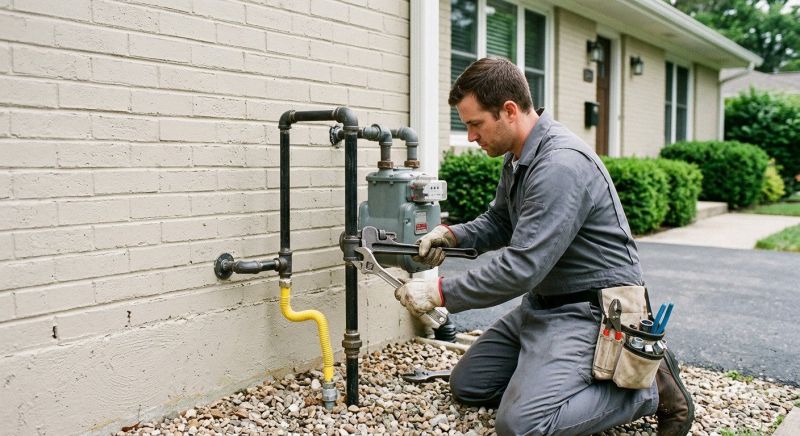
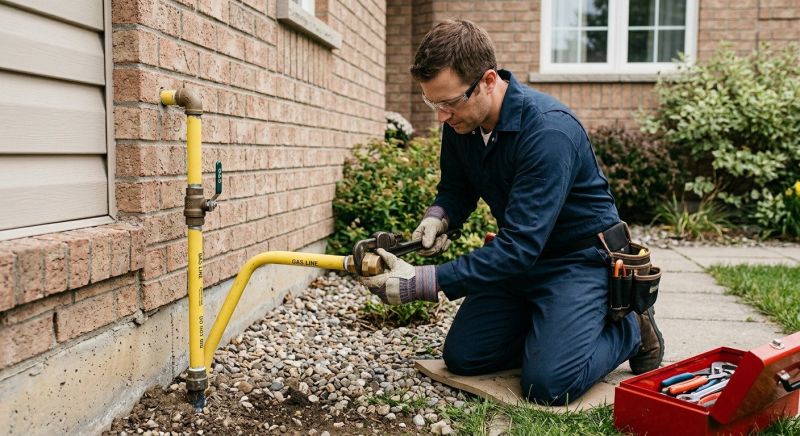
Gas line capping services involve safely sealing off existing natural gas or propane lines, typically when a property no longer requires the service or when preparing for renovations or demolitions. This process ensures that gas flow is securely stopped to prevent leaks or hazards, making it an essential step during home upgrades, appliance removals, or when switching to alternative energy sources. Homeowners often request gas line capping when removing gas appliances, converting a property to electric systems, or addressing outdated or unused gas lines to ensure safety and compliance.
Before requesting gas line capping, property owners should understand the location of all gas lines on the property and whether any permits or inspections are required by local regulations. It’s also important to identify which lines need to be capped and to confirm that the work will be performed in accordance with safety standards. Clear communication about the scope of the project and any existing gas appliances or infrastructure helps ensure the process is completed efficiently and safely.
Many property owners in Denver, CO look into Gas Line Capping for repairs, replacements, upgrades, and appearance-related improvements.
Gas Line Safety
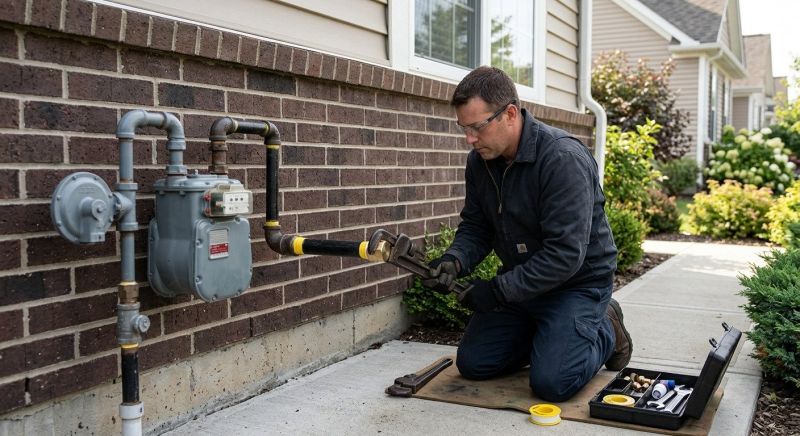
Proper capping ensures the safe termination of unused gas lines in residential and commercial properties.
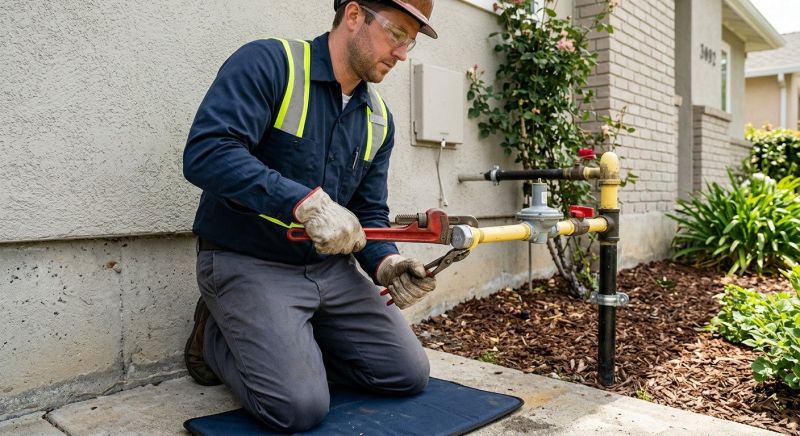
Property Renovations
Gas line capping is often necessary during remodeling or when removing appliances to prevent leaks.
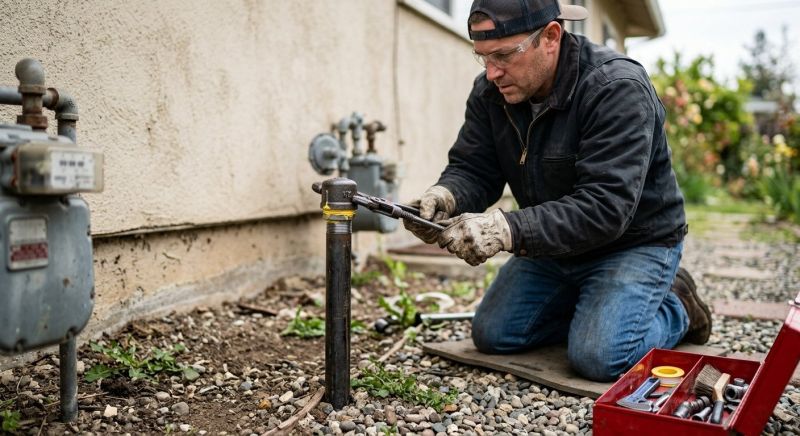
Emergency Services
Securely capped gas lines help prevent hazardous leaks in case of line damage or repairs in denver, co.
Gas Line Capping in Denver, CO
Gas line capping services involve safely sealing off existing natural gas or propane lines, typically when a property no longer requires the service or when preparing for renovations or demolitions. This process ensures that gas flow is securely stopped to prevent leaks or hazards, making it an essential step during home upgrades, appliance removals, or when switching to alternative energy sources. Homeowners often request gas line capping when removing gas appliances, converting a property to electric systems, or addressing outdated or unused gas lines to ensure safety and compliance.
Before requesting gas line capping, property owners should understand the location of all gas lines on the property and whether any permits or inspections are required by local regulations. It’s also important to identify which lines need to be capped and to confirm that the work will be performed in accordance with safety standards. Clear communication about the scope of the project and any existing gas appliances or infrastructure helps ensure the process is completed efficiently and safely.
Many property owners in Denver, CO look into Gas Line Capping for repairs, replacements, upgrades, and appearance-related improvements.
Common Gas Line Capping Jobs
Gas line capping - a safe way to seal unused gas lines in residential properties.
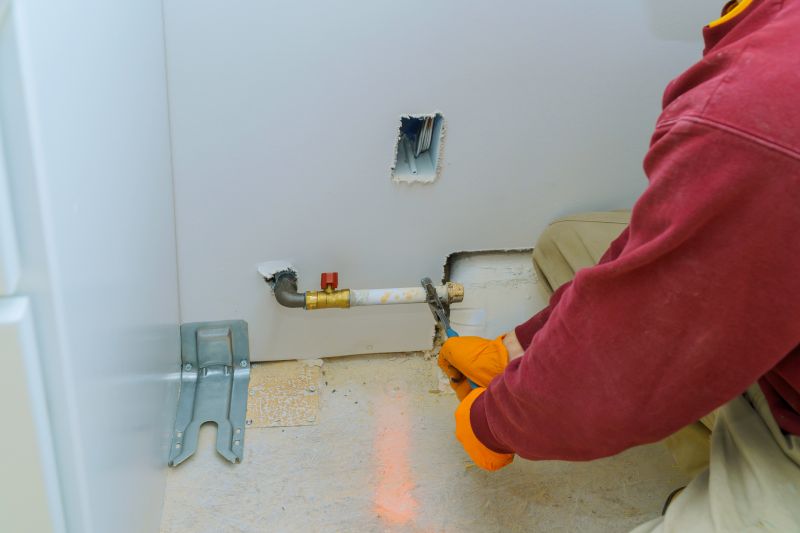
Property renovations - ensures disconnected gas lines are properly capped during remodeling.
Leak repairs - prevents gas leaks by securely capping damaged or compromised lines.
New construction - involves capping existing gas lines before new installations begin.
Line replacements - includes capping old or outdated gas lines to ensure safety.
Emergency services - provides quick capping solutions for gas line issues or hazards.
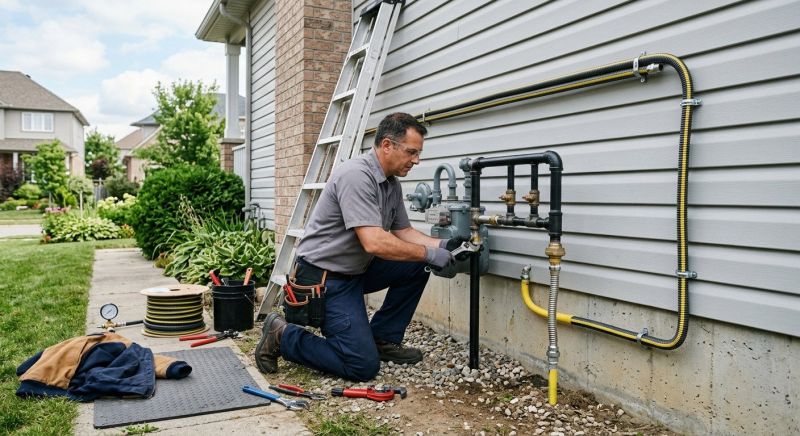
Gas Line Capping Questions
What is gas line capping? Gas line capping involves sealing off an unused or damaged gas line to prevent leaks and ensure safety.
When should a gas line be capped? A gas line should be capped when it is no longer in use, during renovations, or if it shows signs of damage or leaks.
Is gas line capping safe? Yes, properly capped gas lines are a standard safety measure to prevent gas escape and potential hazards.
What types of projects require gas line capping? Projects such as appliance removal, property renovation, or gas line repairs often require capping to ensure safety and compliance.
Request Gas Line Capping in Denver, CO
Use the quote form on this page to share the basics of your project and request more information for the type of work you need.